Let’s Get More Creative With Our Passwords

16 Dec

On Sunday, the password system of Gawker was hacked.  After examining more than 188,000 passwords, The Wall Street Journal published a list of the Top 50.

Here’s the Top 10:

  1. 123456
  2. password
  3. 12345678
  4. lifehack
  5. qwerty
  6. abc123
  7. 111111
  8. monkey
  9. consumer
  10. 12345
  11. 0
  12. letmein
  13. trustno1

More than 3,000 people had 123456 as their password. You’re asking to have your account hacked like that.

Someone is REALLY Mature

16 Dec

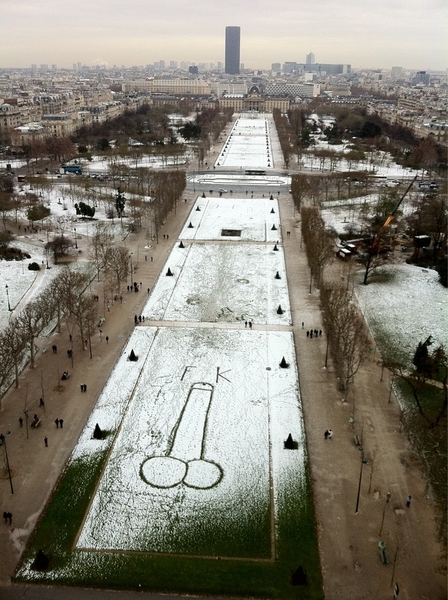
Somebody drew a large penis on the ground next to the Eiffel Tower.

Want to Live Here?

16 Dec

Though it’s closed now, this 6.5 acre city in Hong Kong used to house 33,000 people during the late 1980s. The Kowloon Walled City began as a military fortress before the Chinese ceded the land to the British. Then, after World War II, squatters began to reoccupy the site.  Poor sanitary conditions and overcrowding led authorities to begin demolition of the city in 1993. Today, a park occupies the old site.

For the first part of a German documentary about the city, see below.

Cool New Data Source

16 Dec

After compiling five years of data from the U.S. Census Bureau’s American Community Survey, The New York Times released an in-depth, interactive map that compiles lots of data.  You can look across the entire country and plot areas by racial composition, median income, percentage of same-sex couples, and many other categories. It’s addictive.

[c/o Darcy and DCist]

Scientist Concludes Scientists Don’t Know Jack

16 Dec

What killed Mozart? Well, apparently nobody knows. The world-renowned composer died in 1791 at the age of 35. Since then, literally hundreds of theories have emerged about what killed him.

Scientist Lucien Karhausen writes in British Medical Journal after analyzing hundreds of scientific papers on the subject. Following a close examination of the relevant material, he identified more than 140 separate conditions that scientists proposed as the cause of death. He concludes “most, if not all” of the explanations must be wrong, since Mozart only died once.

Karhausen finds that the explanations for his death have grown more outlandish with time. Since his death, scientists have identified 27 distinct psychiatric conditions as present in the composer.