Archive | News RSS feed for this section

50 Cent Tweets Stock Advice, Makes Millions

11 Jan

“Get Rich Or Die Tweeting.” That was the headline from The New York Observer after rapper 50 Cent began offering stock advice this weekend, in a series of tweets. Over the weekend, 50 began hyping a little-known company called H & H Imports. Their stock shot up from $.10 to $.39 on Monday, a staggering 290% gain. Turns out, 50 has a 12% stake in the company and made a cool $8.7 million in 140 characters.

“You can double your money right now. Just get what you can afford,” the rapper, whose real name is Curtis Jackson, tweeted. Today, he followed up. The company, as might be expected, has some suspicious business ventures, but 50 Cent can enjoy his moment of financial glory.

I’m sure I would take financial advice from him… but… that’s me.

Italian Man Sneezes Out Bullet

11 Jan

Darco Sangermano, 28, was walking through downtown Naples with his girlfriend on New Year’s Eve when he was struck in the head by a stray .22 caliber bullet. Doctors believe that the bullet had been slowed by the time it struck him, and that fact accounts for his survival. In spite of the nature of the injury, he sustained relatively little injury from the gunshot wound. He was, however, suffering from severe blood loss and an ambulance rushed him to the hospital. As he waited to go into surgery, he sneezed. Out popped the bullet from his right nostril. Sangermano will make a full recovery.

10 Other Congresspeople Injured or Killed in Office

10 Jan

The shooting of Rep. Gabrielle Giffords (D-AZ) and 19 others (6 of whom died) on Jan. 8 shocked the nation and caused people of all political parties to rethink the political culture. While the attempted assassination of a sitting Congresswoman may seem unusual (and, indeed, is extremely rare), Giffords is not the first person to suffer an unnatural injury or death while in office. Here are some examples.

1) Nicholas Begich (D-AK) and Thomas “Hale” Boggs (D-LA): On October 16, 1972, Congressman Begich and Majority Leader Boggs were aboard a small airplane in Alaska, making their way to a fundraiser for Begich. Boggs, as he often did, was campaigning for Begich, who was in a tight race that fall for the lone Alaskan representative position against Republican Don Young. That afternoon, their airplane disappeared and the wreckage was never found. Begich would win that election posthumously, but Young would win the special election to replace him (and every race since).

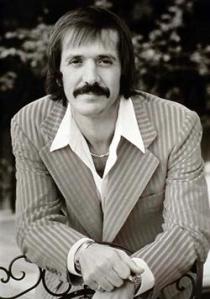
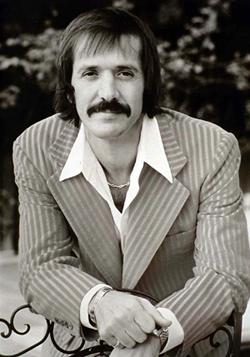
2) Sonny Bono (R-CA): A staple on the American music scene since the 1960s with the popular act of Sonny + Cher, Bono threw his hat into the political arena in the 1990s. First elected to Congress in 1994, Bono won election to second term in 1996. On January 6, 1998, in the midst of a ski vacation with his family, he struck a tree while on skis and died from blunt force trama to the head. Since the accident, his widow, Mary Bono, has served in his old seat.
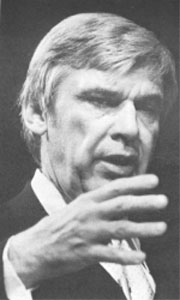
3) Leo Ryan (D-CA): Perhaps the most infamous name on the list, Ryan continues to hold the unfortunate distinction of being the only sitting member of Congress to be murdered while in office. In November 1978, Ryan and group of others traveled to the compound of the People’s Temple in Jonestown. The leader of the cult, Jim Jones, lived with thousands of his followers in the remote jungle settlement. While leaving from their visit, Ryan and four others were shot to death by rebels supportive of Jones. Future Congresswoman Jackie Speier survived the attack.  Upon Jones’ order, 909 members of the cult committed suicide, the largest loss of American civilian life before 9/11.

4) John Porter East (R-NC): At the time of his death on June 29, 1986, East served as a Senator from North Carolina from 1980 until his death. Suffering from a thyroid deficiency, though apparently in good spirits, East killed himself with carbon monoxide poisoning. The reasons for his suicide remain unclear to this day.

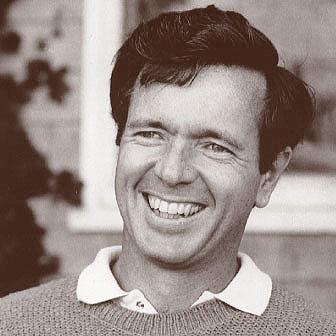
5) John Heinz (R-PA): Serving as a Senator for Pennsylvania, Heinz was killed when a helicopter’s rotor blades struck the underbelly of his airplane and caused both aircraft to crash in 1991.  First elected to the House in 1971, Heinz was serving his third term in the Senate at the time of the crash. In all, seven people died in the accident.

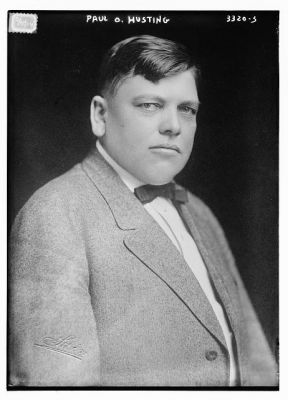
6) Paul Husting (D-WI): As the Democratic Senator from Wisconsin in the early 20th century, Husting would go on to play an inadvertently large role in the political world. While duck hunting (years before Dick Cheney) with his brother, Husting was mortally wounded by a shotgun blast. After his replacement by a Republican, the balance of power shifted in the Senate before the USA’s entrance into World War I.

7) Jerry Litton (D-MO): After winning a heated three-way race for his state’s nomination in the upcoming Senate race, Litton died in an airplane crash on his way to greet supporters. Six people died in the crash (including Litton’s wife and two small children). He won the 1976 posthumously, but the Democratic party selected another candidate for the general election (who lost).

8) Huey Long (D-LA): Considered the inspiration for Willie Stark in Robert Penn Warren’s All the King’s Men, Long served in the Senate for less than three years before his assassination. Known for his populist policies, he was considered by many to be one of the rising stars in the Democratic party. Dr. Carl Weiss killed Long in the hallway of the State Capitol on September 8, 1935.

9) Larry McDonald (D-GA): McDonald served in the House from 1975 until his death in 1983. He accepted an invitation from South Korea to attend a 30th Anniversary celebration of the unofficial end of the Korean War. On September 1, 1983, McDonald boarded Korean Airlines Flight 007, which was shot down by the Soviets. McDonald and 268 others died in the crash. He became the only member of Congress killed in the Cold War.

10) Mickey Leland (D-TX): Ten years into his service in the United States Congress, Leland made a trip to Ethiopia in his fight to end world hunger. Tragically, his plane crashed into a mountainside and the prominent African American leader died, along with 15 other passengers.


Review: Revel (Seattle)

9 Jan

Last night, we went to a new restaurant in Fremont. Called Revel, the restaurant’s website boasts of “Urban. Comfort. Asian. Street Food.”

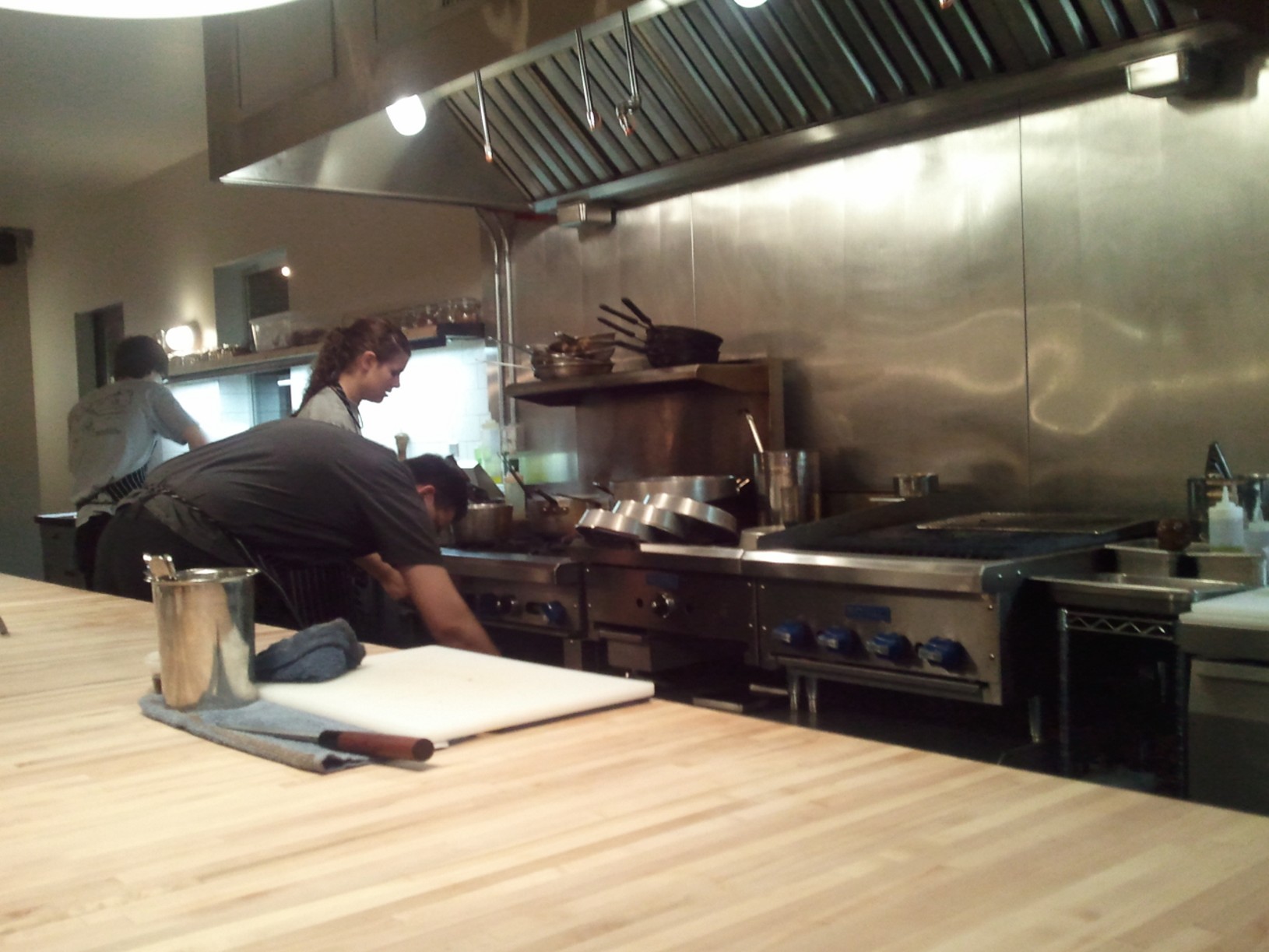
The first thing to note is the somewhat unorthodox layout of the restaurant. We initially tried one door, but feared we were entering the wrong side because the kitchen was in plain sight. Actually, the entire restaurant (kitchen, tables, waiters) operates from one large room. Half of the tables are traditional, but the other half are located along a wooden bench which offers a complete view of the kitchen. No screen or anything. Chefs use the table to slice meat and cut vegetables, while diners enjoy their selections in the same space. The entire space contains about 50 people at most.

A view from the wooden table into the kitchen at "Revel"

Especially impressive was the seasonal, but limited, menu. Food appears to be a happy medium between tapas and normal restaurant fare. We were quite satisfied with three selections for three people (to be shared), but another party might opt for 1 or 2 more. The menu is divided into rice, noodles, dumplings, salads, pancakes and other broad asian food categories. We selected a pancake (with pork belly), a rice dish (with short rib and jicama) and a dumpling dish (with chorizo). The clear winner of three was the rice dish. Of the three, the pancake was the least memorable. Each dish comes with four sauces for accompaniment, which were quite good. Chopsticks are the utensil of choice at Revel.

All and all, I appreciated the novel organization of the restaurant space. The menu offered ample selections, while utilizing enough restraint to allow the chef to master each dish. I thought the pancake needed some work, but generally enjoyed the experience. Each dish averages around $10, so it’s not unreasonably priced either.

Recommendation: Go there!

A Fee For Overhead Bin Space?

7 Jan

Tired of flying on airplanes yet? Well, it could get even more annoying. Currently, the world’s airline industry offers 19 à la carte fees and services to customers.  Those combined sources of revenue, which vary widely depending on the airline and location, account for more than 35 percent of the industry’s revenue and could bring in more than $22 billion annually.

They want more.  Rather than raising fares, the airlines continue to explore new potential fees to charge customers. Among the possible things services to charge for:

1) Overhead Bin Space: Though most airlines claim they will not follow the lead of Spirit Airlines, which charges a fee to put bags overhead, the possibility remains open. Preferred seating plans lead to a de facto charge for bin space.

2) Checking Bags Internationally: Most airlines currently allow customers to check one bag free of charge on international flights. As the price of oil rises to close to $90 a barrel, though, a charge to check bags overseas seems logical.

3) Infant Fees: Babies and infants currently fly free of charge, but the airlines are considering a fee for them too.

4) Talking to Someone: Airlines are pushing more aggressively for customers to check-in online to save on staffing costs. Yet, some people still resist. The solution: charge people to speak with someone at the airport or over the phone.

While none of these fees are at risk of going into effect soon, they are all being actively considered.